Pest Control: Effective Methods to Secure Your Household and Establishment
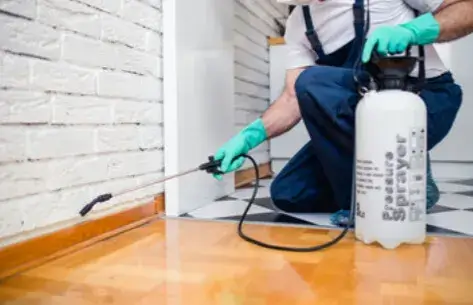
Pest Control: Efficient Approaches to Protect Your Property and Organization
Opening to Pest Control
Pest Control relates to the control or organization of species categorized as pests – living things that detrimentally affect personal endeavors or areas. In New Jersey, a place where various environments intersect with urban-adjacent and city expansion, successful Pest Control is not only a extravagance but a essential for upholding wholesome home and working atmospheres. From the widespread communities of Monmouth County to the integrated neighborhoods of Matawan, pest issues can disturb any individual, independent of how pristine or adequately preserved their property may be.
The significance of implementing potent Pest Control techniques cannot be overstated. For homeowners, pests can harm architectural strength, contaminate food provisions, and present significant health perils. Businesses experience these same issues, with the extra apprehension of name harm and prospective deficit of customers if outbreaks are identified. Prevalent pests in New Jersey contain rodents like rats and mice, assorted bugs such as ants, cockroaches, and bed bugs, and the especially damaging termites that can stealthily threaten a building's support structure.
The Reason Pest Control Is Crucial
Health Hazards of Pest Control Methods
Numerous pests bear and convey diseases that can trouble people and pets. Rats and mice are identified carriers of hantavirus, salmonella, and leptospirosis. Cockroaches can induce asthma episodes and sensitized sensitivities, specifically in youngsters. Ticks, copious in New Jersey's tree-covered locations, are notorious for conveying Lyme disease, while mosquitoes can transmit West Nile virus and Eastern Equine Encephalitis. Qualified Pest Control enables lessen these health hazards by exterminating the foundation of these conceivable disease agents.
Building Damage in Pest Control
The foundational impairment produced by pests can be considerable and high-priced. Termites by themselves produce over $5 billion in home injury annually throughout the United States, with New Jersey homes being specifically prone due to the state's climate. Vermin can chew through power cables, generating fire perils, while their continuous chewing can ruin insulation, pipes, and wooden foundational components. Even outwardly innocuous ants can damage lumber structures if allowed unmanaged, particularly carpenter ants which are widespread in Monmouth County.
Fiscal Consequences of Pest Control Services
Neglecting pest invasions can generate major economic consequences. What can begin as a minimal outbreak requiring uncomplicated management can quickly intensify into a significant difficulty needing broad restoration. For firms, chiefly those in the food service or accommodation businesses, pest outbreaks can lead to inadequate health examinations, interim stoppages, and permanent detriment to status and consumer belief. Financing in consistent Pest Control is not merely about direct ease—it's a sustained pecuniary defense.
Pest Control: Ordinary Home and Company Pests
Rats and Mice (Rats and Mice)
When it concerns spotting rodent problems in your New Jersey home, vigilance is essential. You may spot excrement near food sources, in compartments, or underneath sinks. Bite marks on food packaging, wood, and power cords are evident indicators of their being. At evening, you may distinguish scratching rackets in walls, roofs, or underneath floors as these night-time beings turn animated. If you identify habitats formed from torn stationery, fibers, or dried plant substance, that's a plain indication rodents have built themselves comfortable. Slimy rub marks beside baseboards and partitions materialize as rodents employ the equivalent paths frequently, while your pets may present peculiar demeanor such as yapping or clawing at locations underneath machines or fixtures where rodents lurk.
Small mammals in New Jersey homes and firms present numerous hazards past just inconvenience. They can contaminate food and cooking areas with microorganisms existing in their urination and feces. Their unending necessity to chew can impair assets, notably cords, which produces fire perils. In Matawan and neighboring places, the Norway rat and house mouse are exceptionally difficult, succeeding in both municipal and residential locations. Productive Pest Control measures are critical to handle these damaging invaders.
Creepy Crawlies (Ants, Cockroaches, Bed Bugs)
Arthropod outbreaks display themselves in multiple means depending on the type. Ant issues turn noticeable when you see noticeable ant lines directing to food provisions, or when you uncover small heaps of dirt or wood chips constructed by carpenter ants. Cockroach problems often disclose themselves through dark waste comparable to coffee grounds or black pepper, a unique stale fragrance that permeates plagued places, and the presence of egg casings in secret corners. Bed bug difficulties materialize as rust-colored speckles on mattresses and pieces, shed skins near resting spots, diminutive blood smudges on sheets, and itchy red elevations on skin normally ordered in a line or assembly.
Insects represent the most assorted classification of pests in New Jersey. Cockroaches can set off asthma and intolerances while transmitting many germs. Bed bugs, while not disease carriers, generate substantial pain, sleep disturbance, and emotional torment. Particular ant breeds, like carpenter ants frequent in Monmouth County's woodland locations, can cause framework deterioration analogous to termites during time. Professional Pest Control businesses can detect particular insect varieties and implement specific remedy strategies that deal with the unique mannerisms and fragilities of each pest.
Termites
Spotting termite activity initially requires recognizing the subtle symptoms of their occurrence. You might see discarded wings near portals and portals after swarmers have identified a mate and created a new settlement. Mud tubes on external sides, wood beams, or in crawl voids operate as protected highways for these destructive bugs. Wood that resonates vacant when hit reveals termites have been feeding from within. Doors and openings that quickly bond may signal bending from termite impairment, while fractured or blistering paint similar to water destruction often conceals termite action beneath. Locating frass—termite waste similar to small wood-colored pellets—furnishes another corroboration of their undesirable attendance.
Termites constitute perhaps the most major structural danger amidst all standard pests. In New Jersey, the Eastern subterranean termite is pervasive and particularly destructive. These insects can persist undetected for spans while making vast damage to wooden architectural parts. Homes in Matawan and throughout Monmouth County, particularly older properties, are prone to termite problems. The standard cost of term pest control.
Pest Control Security Factors
Safe Usage of Chemicals and Products in Pest Control
When products turn needed in your pest control plan, emphasizing safety requires focus to various vital approaches that safeguard individuals, pets, and the environment. Always read and comply with label guidelines exactly, as these legally-binding instructions reflect comprehensive evaluation and governmental assessment designed to decrease risks. Use the least effective volume of chemical to attain elimination while reducing unneeded substance introduction into your home area. Use substances only in spaces specified on the product instructions, eliminating unauthorized uses that may produce surprising dangers or reduce performance. Utilize appropriate protective equipment as stated by chemical manufacturers to prevent individual interaction during treatment. Store substances in their initial bottles with labels undamaged to retain availability to security information and prevent mix-ups. Record complete records of all applications, noting substances used, mixing rates, areas treated, and times of application for later reference. Enable appropriate curing and air circulation before reoccupying treated spaces, specifically important in New Jersey's climate where humidity can affect drying durations. Evaluate reduced-risk substitutes when efficient, as developments in pest control have developed many safer choices that keep effectiveness while reducing likely dangers.
Safeguarding Pets and Kids During Pest Control Services
Extra safeguards turn necessary when applying pest control measures in dwellings with sensitive household occupants. Remove pets while performing treatment and until surfaces are dry to avoid immediate contact with damp substances or vapors that could cause bad responses. Hide or take away pet food, water bowls, and items before application to avoid pollution that could cause inadvertent consumption. Keep children's items apart from treatment locations, particularly items that young children might place in their lips. Sanitize and clean meal making counters after treatment, even if they were not specifically treated, to remove any leftovers that might have collected during service. Maintain children distant from applied areas for the recommended period, prolonging this period for crawling infants who have more immediate contact with ground and bottom areas. Think about pet-safe and child-safe substance options when obtainable, as many current formulations target certain pest physiology while minimizing human toxicity. Most vitally, tell expert specialists about the presence of companions, kids, or expecting home members before they design application strategies, allowing them to adapt strategies and substance options accordingly.
Legal Rules and Adherence with Pest Control
Pest control in New Jersey operates within a official framework intended to defend general health and the environment while ensuring efficient pest elimination. The New Jersey Department of Environmental Protection manages pest control operations, requiring professional pest elimination firms to satisfy defined specifications. Firms must hire authorized applicators who have cleared official examinations displaying expertise in pest biology, service approaches, and safety protocols. These organizations must copyright adequate protection insurance safeguarding both their professionals and their clients from potential injury or injuries related to pest management activities. Rigid rules control product keeping, transportation, and removal to prevent environmental exposure and unpermitted entry. Specialists must give Safety Data Sheets upon request, documenting the features and risks of substances used in treatments. Notice rules pertain for certain treatments, specifically in multi-unit structures or business areas with numerous residents. Detailed service documentation must be preserved, building an review record of pest control activities. Also, only products registered for utilization in New Jersey may be lawfully used, ensuring that local ecological circumstances and habitats have been examined in the approval system. For industrial facilities in Matawan and throughout Monmouth County, extra regulations may apply relying on the field, particularly for dining business, health, and daycare centers where pest control overlaps with further general health factors.
Green Pest Control Alternatives
Combined Pest Control (IPM) Approach
Comprehensive Pest Management embodies the top standard in today's pest control, focusing on sustained avoidance through a mix of methods that reduce environmental impact while maximizing success. The IPM procedure initiates with thorough evaluation and tracking to pinpoint pest infestation exactly, establishing starting facts about kinds existing and amount counts. This results in accurate recognition of pest varieties, ensuring elimination attempts target specific behaviors and susceptibilities rather than employing general applications. Specialists establish limit numbers that warrant response, recognizing that the basic occurrence of a handful of insects does not automatically require control if quantities persist under injurious numbers. When action becomes required, IPM implements several control approaches in coordination, generally starting with least-toxic techniques and increasing only when needed. Throughout the system, professionals review efficiency and adjust approaches as appropriate, creating a adaptable system flexible to varying circumstances. Most significantly, IPM emphasizes avoidance over treatment, dealing with construction and ambient factors that sustain pest groups rather than only removing present pests. Many pest control organizations in New Jersey offer IPM-based programs that match with the state's effort toward lower-risk pest management procedures, particularly in sensitive areas like educational facilities, healthcare centers, and nutrition preparation plants.
Chemical-Free Control Strategies
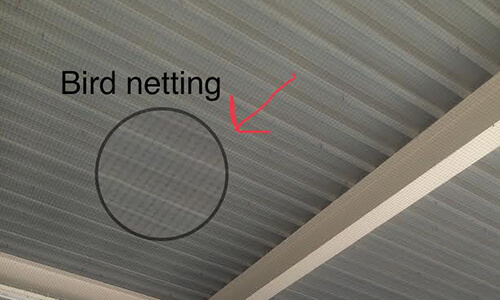
Efficient pest control often combines natural methods that can fix or decrease pest troubles without inserting substances into the area. Structural obstacles such as mesh, entry seals, and closing block pest entry completely, dealing with the issue at its origin. Manual methods like traps and barrier systems remove present organisms while blocking new arrivals. Organic methods containing useful insects and organisms add biological antagonists that aim at individual insects while leaving useful creatures safe. Behavioral practices modify the environment to prevent creatures, such as adjusting irrigation schedules to decrease dampness that brings particular bugs. Area change reduces shelter and nutrition resources, causing areas less hospitable to problematic visitors. For some pests like bedbugs, thermal procedures offer extremely productive management without synthetic residues by raising temperatures over the temperature lethal limit for all growth stages of the intended pest. In the same way, cold methods for preserved product pests like grain beetles or food storage insects can remove issues in edible items without harmful contamination. These techniques show specifically valuable in New Jersey's varied areas, where closeness to water systems, preserved natural zones, and concentrated population areas forms multiple circumstances where pesticide limitation becomes wanted or required.
Environmentally-Friendly Pest Control Treatment Solutions
The pest control business persists to advance toward increasingly green procedures that maintain effectiveness while lowering surrounding effect. Natural insecticides sourced from plant compounds like pyrethrum, neem, and natural essences supply focused management with limited duration in the nature. Biological agents having microbes, organisms, or agents that target particular pest insects offer specificity that conventional universal pesticides are unable to achieve. Maturation controllers that inhibit pest mating by interfering with life cycle cycles provide extended community suppression without instant toxic consequences on fully-grown organisms. Chemical tools that watch or disrupt pest pairing support identify when intervention turns essential and can stop breeding in specific varieties. The industry continuously implements reduced-risk substances with minimal natural footprint, changing away from conventional formulations with more extensive impacts on beneficial creatures. Exact delivery technologies that decrease entire chemical consumption administer applications specifically where necessary rather than spreading substances over extensive zones. Eco-friendly certification schemes for pest treatment firms determine criteria for naturally superior assistance and offer consumers with plain recognition of services committed to green approaches. In naturally critical locations of New Jersey, featuring portions of Monmouth County with proximity to water systems, these green methods are especially valuable for defending both people's wellness and ecological environments while still delivering efficient pest management.
Finding a Local Pest Control Service Provider in New Jersey
Capitol Exterminating System
272 NJ-34
Matawan, NJ 07747
(732) 441-1900
Regularly Inquired Questions (FAQs) about Pest Control
How often should pest control be carried out?
For many New Jersey houses, four times yearly pest control provides proper defense against seasonal pest challenges. This routine corresponds with the local unique periods, each generating various pest difficulties that demand precautionary attention. Early season applications commonly tackle developing ant colonies and dormant organisms growing lively. Summertime services center on mosquitoes, parasites, and various aerial bugs that prosper in hotter weather. Cool season services arrange houses for mice and rats and sheltering insects seeking shelter as weather decrease. Cold season treatments preserve protection against interior pests while tackling small mammal activity at its highest. However, this schedule may increase for properties with specific hazard factors or ongoing issues that require increased rigorous treatment. Residences close to tree-covered zones in Monmouth County may gain from extra parasite and mosquito treatments during top periods. Homes with history of particular pest troubles commonly require focused additional applications beyond the standard seasonal timing. Industrial properties, especially food business facilities in regions like Matawan, frequently require every month treatment to keep conformity with sanitary regulations and stop issues that could damage credibility and business operations.
Is specialist pest control harmless for companions?
When conducted properly, specialist pest control can be harmless for animals through careful substance selection and application methods that decrease exposure. Modern directed employment methods and reduced-risk materials have markedly upgraded security profiles relative to previous pest treatment strategies. Contemporary applications frequently utilize products particularly engineered to have low danger to pets while remaining efficient against target organisms with alternative body systems. Specialist technicians obtain education in employment methods that put products in locations pets cannot reach, such as interior spaces, splits and spaces, or behind appliances. Nevertheless, pets should be removed throughout treatment and until all procedures have dried entirely, adhering to specific waiting times proposed by the product manufacturer and applicator. Aquarium containers should be shielded and ventilation pumps turned off during treatment to eliminate pollution from airborne matter. Pet items including sleeping areas, playthings, and eating containers should be relocated or protected while performing treatment. Review any questions with your pest control service, who can advise suitable delay times depending on the certain services employed and adapt techniques for residences with notably sensitive companions like birds or lizards and snakes that may have alternative bodily sensitivities than felines and dogs.
What are the signs of a significant pest issue?
Past apparent creatures themselves, several caution indicators indicate potentially major infestations requiring immediate pest control intervention. Strange aromas regularly appear with extensive invasions – stale, greasy scents may reveal small mammals, while sweet, almond-like smells sometimes occur with German roach groups. Unexplained physical harm like sagging surfaces, bubbling surface, or deteriorating timber may reveal termite presence or wood-boring ant infestations damaging support pieces. Peculiar pest control services New Jersey activity within walls or attics, notably at evening, often show small mammal behavior as these nighttime pests become active in hidden spaces. Too much powder resembling small wood particles close to wooden pieces may really be frass or waste from timber-damaging pests. Some families experience mysterious medical problems like lung problems or scratching that improve when absent from home, possibly indicating bug issues influencing indoor atmosphere quality. In New Jersey properties, particular attention should be directed to cellar and lower spaces where humidity troubles can encourage pest populations, notably in established properties throughout Monmouth County where base splits and crumbling binding create various entry places. Finding multiple deceased creatures of the same species implies a greater community in the area, while grease traces along baseboards indicate confirmed rodent pathways with regular movement.
Can I prevent insects without pest control substances?
Certainly, numerous creatures can be stopped through correct cleanliness, exclusion, and environment adjustment without applying synthetic interventions. The cornerstone of natural pest control initiates with complete exclusion efforts – closing cracks, holes, and entrances that allow creatures to access structures in the beginning location. Setting up entrance barriers, fixing broken barriers, and filling infrastructure penetrations eliminates usual entry points. Eliminating nutrition sources through proper edible keeping in secure vessels, immediate cleaning of accidents and pieces, and consistent garbage disposal markedly decreases draws that pull creatures indoors. Reducing dampness by mending leaking water lines, bettering ventilation in humid spaces, and tackling water flow problems eliminates the water resources many pests require. Keeping a space area surrounding properties by reducing vegetation, eliminating leaf debris, and storing timber lifted and apart from homes decreases shelter spaces and entry spots. Applying solid barriers like copper mesh or metal material to block more significant spaces provides lasting exclusion for mice and rats. Frequent care that involves vacuuming fissures and gaps removes insect larvae and feeding particles that encourage pest growth. For present infestations, however, some kind of treatment product may be required to resolve set troubles, though many lower-risk options are accessible including natural silica powder, boron powder, and insecticidal detergents that deliver lowered risk compared to traditional substances.
What should I anticipate while having qualified pest control application?
A professional pest control procedure usually begins with a thorough evaluation to pinpoint pest varieties, access spots, and supporting situations leading to the trouble. The specialist should invest attention examining both inside and outside locations, devoting particular consideration to food preparation areas, bathing facilities, cellars, and edge structural supports where pest activity frequently accumulates. After this inspection, the technician should clarify their findings in completeness and suggest a service plan designed to your specific circumstances, reviewing both the target pests and the methods suggested for controlling them. You may be given preparation instructions before treatment, possibly containing shifting belongings, emptying individual zones, or protecting animals. While performing the service, the technician will use appropriate chemicals to focused spaces considering the pest varieties recognized, emphasizing on gaps, gaps, and pest harborage locations rather than broadcasting treatments across full regions. They may position monitoring devices like insect traps or attractant stations that support follow development and deliver persistent protection. After concluding treatments, a specialist should detail any following-application care instructions such as airflow specifications, return periods, or spaces to sanitize. Before going, they should plan follow-up visits if needed for specifically challenging creatures like bed bugs or German cockroaches that generally demand multiple treatments for full removal. Within this system, experts should accept concerns and give clear information about the products and techniques used, showing their instruction and dedication to both performance and protection.
Productive pest control is an important component of preserving safe, secure home and professional spaces in New Jersey. From the humid summers that generate mosquitos and ticks to the colder seasons when rodents search for protection inside, pest problems stay a annual worry for occupants and businesses in Monmouth County and Matawan. By comprehending frequent pests, using precautionary measures, and knowing when to look for qualified help, structure operators can safeguard their properties and the wellness of occupants.
Using a forward-thinking approach to pest control is constantly greater successful and budget-friendly than addressing to developed invasions. Consistent evaluations, appropriate care, and addressing small troubles before they expand can prevent the substantial charges and disruptions connected with significant pest problems. When professional assistance becomes needed, picking a reputable, certified pest control specialist who employs comprehensive pest management principles delivers effective achievements with small environmental impact.